Sign in




 Sanandaj (Iran)
 Iranian
 July 25, 1986
 Followers
  Works
Works  About
AboutBahman Qobadi
Composer • Oud Performer • Educator • Artistic Director
> Rooted in Kurdish heritage, reaching toward a universal musical language.
---
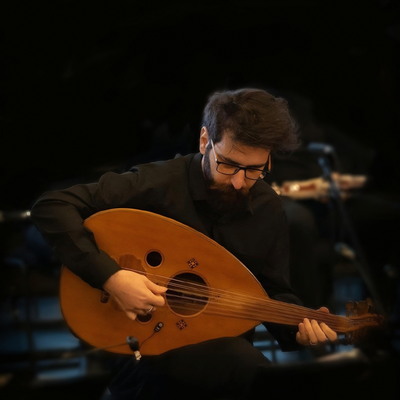
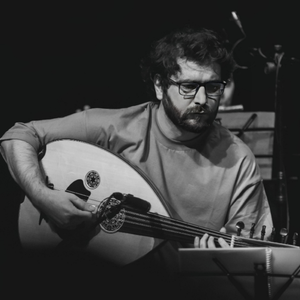
Bahman Qobadi (born 25 July 1986 in Sanandaj, Kurdistan, Iran) is a Kurdish composer, oud performer, educator, and artistic director whose work explores the relationship between Kurdish musical heritage and contemporary musical expression. While part of his artistic language is inspired by the rich traditions of Kurdish folk music and Middle Eastern modal systems, his compositions are equally shaped by an inner artistic vision and a universal perspective that transcend cultural and geographical boundaries.
Drawing on both inherited traditions and original artistic thought, Qobadi creates music that moves between memory and innovation, local identity and global expression. Rather than presenting tradition as a fixed cultural artifact, he approaches it as a living source for new artistic possibilities. His works explore themes of cultural continuity, historical memory, human experience, and music's unique capacity to connect people across cultures.
Committed to both artistic creation and music education, Qobadi founded the Muhayer Oud School in 2014, developing educational programs dedicated to preserving and transmitting Middle Eastern musical traditions. In 2023, he established the Ewmitan Ensemble, creating a platform for contemporary interpretations of Kurdish and Middle Eastern music through collaboration, performance, and new composition.
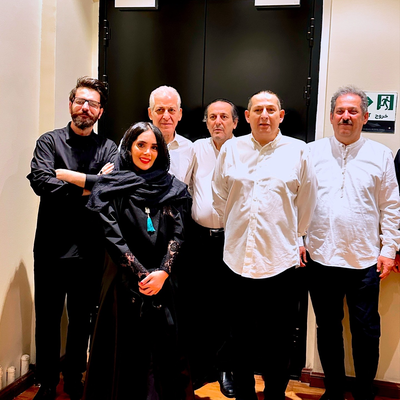
His work has been presented in international artistic contexts, including his selection as a featured composer at the European Composers Network (ECN) Festival in Austria. His orchestral work Sardasht Poem-Symphony was commissioned by the Sardasht People's Association in The Hague, an organization dedicated to preserving the historical memory of the chemical attack on Sardasht and supporting its international recognition through institutions including the Organisation for the Prohibition of Chemical Weapons (OPCW). The composition reflects Qobadi's enduring interest in music as a medium for remembrance, historical consciousness, and humanitarian dialogue.
In 2024, he participated in the Flying Carpet Children's Festival near the Turkish–Syrian border as both composer and oud performer, contributing to artistic initiatives supporting children affected by conflict. In January 2025, he served as composer and artistic director of Atashe Zandeh (The Living Fire), a large-scale multimedia production created in collaboration with the Kamkars Ensemble, bringing together music, visual arts, and contemporary stage performance.
As a composer, performer, educator, and artistic director, Bahman Qobadi continues to develop a distinctive musical language that is rooted in Kurdish cultural heritage while engaging with universal human experience. Through his work, he seeks to build artistic bridges between tradition and innovation, local identity and global dialogue, affirming music as a shared language beyond borders.
 Works
Works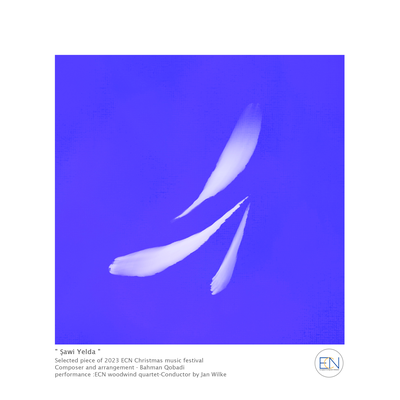


 28
28
 0
0